

Key Takeaways
- Memory care communities build daily life around each person’s story, preferences, and routines—not a one-size-fits-all schedule.
- Personal well-being assessments shape everything from activity choices to social opportunities.
- Connection with family, neighbors, and staff stays a top priority.
- Families receive regular communication and can expect warm, calm environments, not clinical ones.
- There are clear signs to look for when considering whether memory care is the right next step.
What Personalized Memory Care Really Means
When a loved one starts needing more support with daily life, the questions can feel overwhelming. What will their day look like? Will they still feel like themselves? Will they be truly seen, not just cared for? These are the right questions to ask.
Memory care in senior living isn’t about managing a condition—it’s about honoring a whole person, with all their history, quirks, and joy still intact. At Juniper Village at Aurora, that belief shapes every single day, and you can explore Wellspring Memory Care to see exactly how that shows up in practice.
What Memory Care Actually Looks like Day to Day
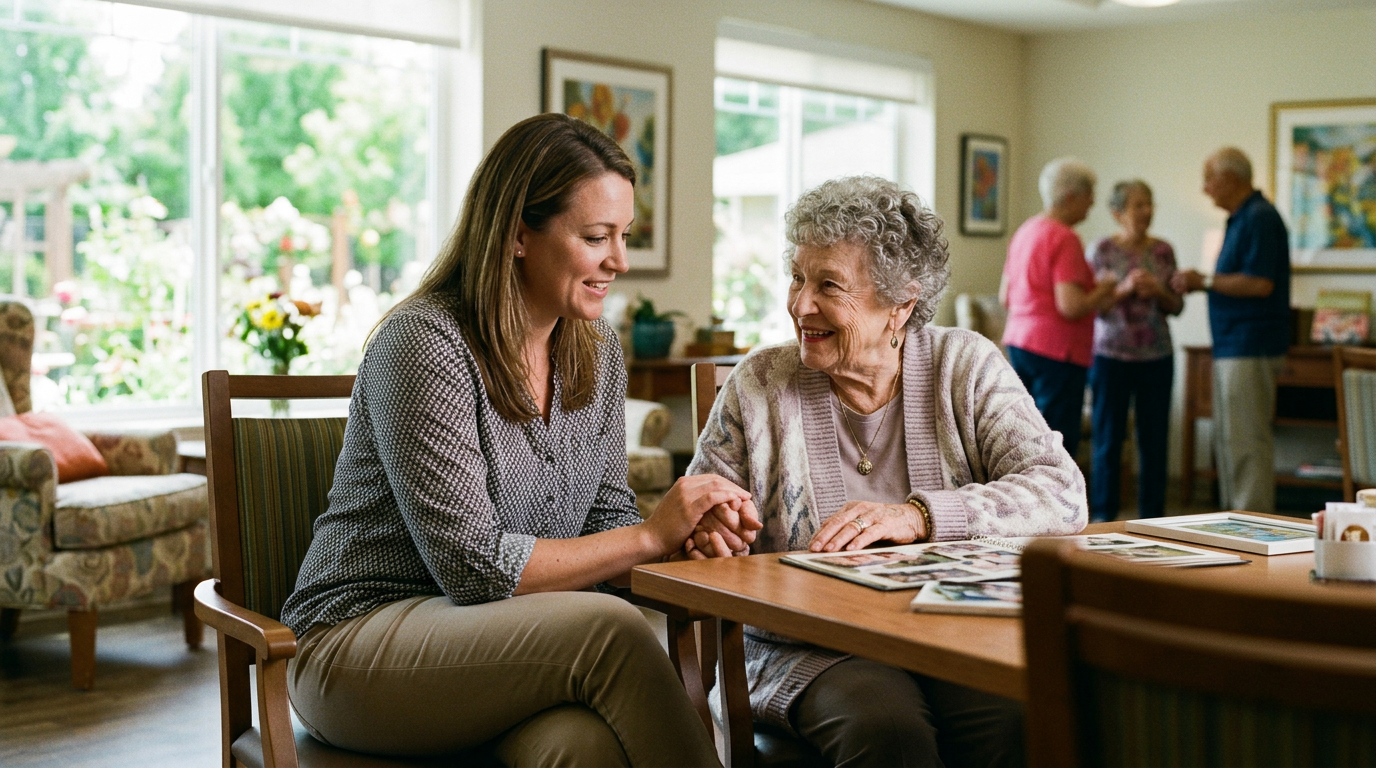
Forget the cold, clinical image you might have in mind. Memory care communities are built around warmth and familiarity. Think of the smell of a favorite meal, a familiar song playing in the afternoon, or a team member who already knows how your loved one takes their coffee.
Routines are intentional here. Consistent, predictable rhythms help residents feel grounded and at ease. The spaces themselves are thoughtfully designed—soft lighting, comfortable seating, and layouts that invite calm movement and easy connection with neighbors. Take a look at the community photos and floor plans to get a feel for that environment.
Staff don’t just know a resident’s schedule—they know their story. Their career, their family, what makes them laugh. That depth of knowing makes every interaction feel less like a task and more like a visit with someone who genuinely cares.
How Care Gets Tailored to Each Person
The Personal Assessment Process
Every resident starts with a thorough well-being profile—one that goes far beyond health history. It captures preferences, personality, past routines, and what brings a person joy. That profile becomes the foundation for everything that follows. The personalized wellness programs here are built directly from that foundation.
As life shifts, so does the plan. Regular check-ins make sure care stays aligned with where your loved one is right now, not where they were six months ago. It’s a living, breathing approach that adapts as the person does.
What a Personalized Plan Might Include
Personalized memory care can look like a morning playlist of a resident’s favorite songs from the 1970s, an art session built around a lifelong hobby, or a quiet afternoon walk with a familiar face nearby. These aren’t extras—they’re the point. Dementia affects everyone differently, and that’s exactly why care plans are tailored to each individual.
Social opportunities are matched to comfort and personality, too. Someone who loves a crowd gets that. Someone who prefers a smaller, quieter setting gets that instead. No two days—or people—are exactly the same.
The Role of Community in Memory Care
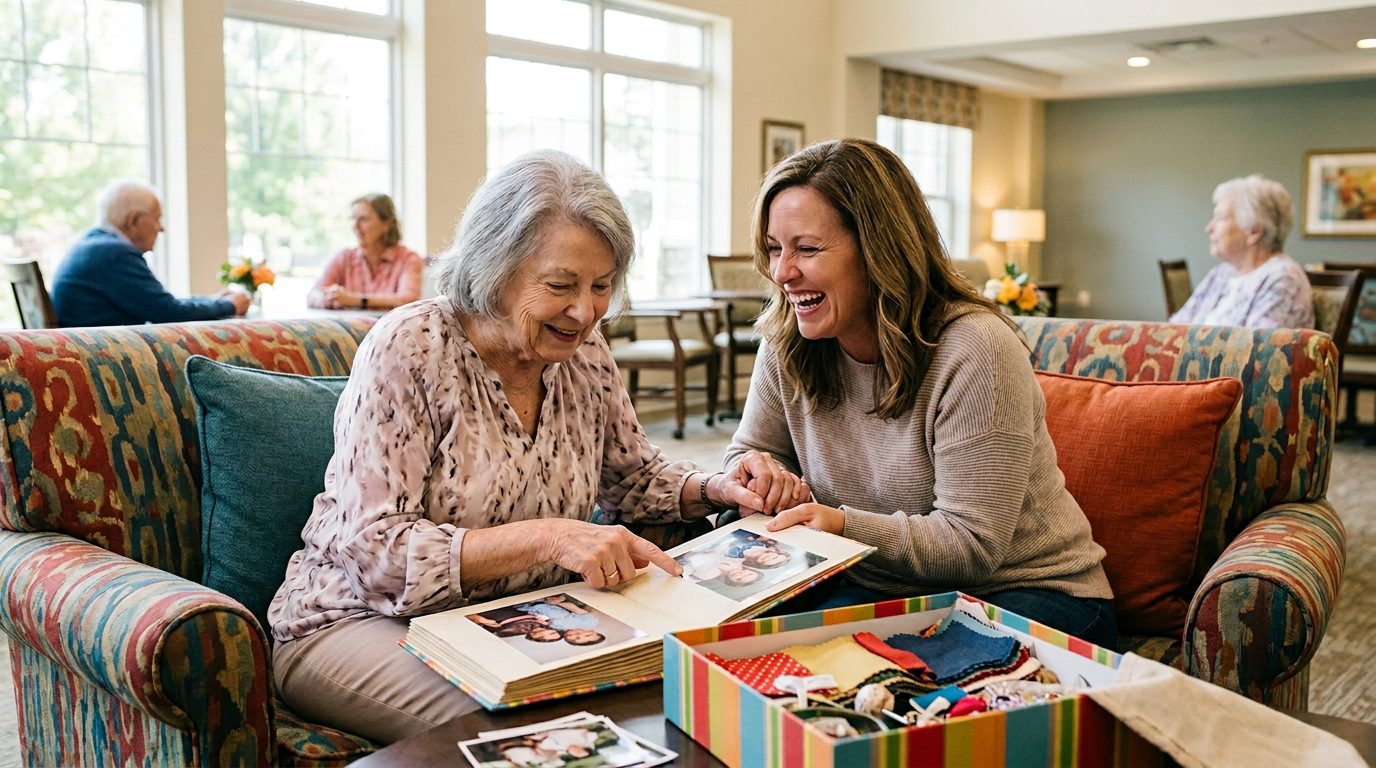
Connection doesn’t stop being important just because daily life looks different. In memory care communities, relationships with neighbors, staff, and family stay front and center. That sense of belonging has a real impact on emotional well-being—it’s the difference between simply living somewhere and truly feeling at home. Social isolation can have serious effects on health, which makes meaningful community connections even more valuable.
Group activities are adapted so everyone can participate at their own level. There’s no pressure to perform or keep up. Whether someone joins in fully or simply enjoys the energy of the room, they’re included. Explore the enrichment and engagement programs to see the kinds of activities that bring people together here.
What Families Can Expect from a Memory Care Community
Transparency and Communication
One of the biggest worries families carry is feeling left out after a loved one moves to a memory care community. A good community keeps that from happening. Regular updates—whether by phone, in person, or through family meetings—keep you informed and involved in your loved one’s experience.
Questions are always welcome. An open-door approach means you don’t have to wait for a scheduled update to get answers. You’re a partner in this, not a bystander. If you’re feeling the weight of the caregiver role right now, recognizing caregiver stress early can make a real difference.
Peace of Mind for Your Loved One
Memory care environments are designed to feel calm and safe, not restrictive. The layout, lighting, and flow of spaces are all thoughtful choices made to reduce confusion and encourage comfort. Nothing about it should feel cold or institutional.
The team is trained to respond with patience, warmth, and creativity. On harder days, that steady, gentle presence can make all the difference for both residents and the families who love them.
Is Memory Care in Senior Living the Right Step?
There are signs worth paying attention to. Repeated safety concerns, increasing isolation, difficulty with familiar tasks, or caregiver exhaustion are all signals that a dedicated memory care community might offer something home-based support can’t. Learning about how memory care communities support individuals with memory loss can help you weigh that decision with more clarity.
When you visit a community, bring your questions. Ask how the team gets to know new residents. Ask what a typical afternoon looks like. Ask how families stay connected. The answers will tell you a lot.
At Juniper Village at Aurora, this is what the Third Act looks like—a life that can still be full of meaning, connection, and joy, supported by people who show up every day with genuine care. If you’re exploring memory care options for someone you love, come see what that feels like in person.