

Key Takeaways
- Sensory activities engage sight, sound, touch, scent, and taste to open connections when conversation gets tricky.
- Simple, hands-on moments can make afternoons calmer and social time easier.
- Follow personal interests and past hobbies instead of aiming for right answers.
- Pick the time of day someone feels brightest, then let them lead.
- Families can bring one familiar object or scent to a visit and build from there.
- Wellspring memory care at Juniper Village at Aurora weaves these moments into ordinary days.
Why Sensory Moments Matter in Memory Care
You’ve probably noticed that words don’t always land the way they used to. A question goes unanswered, a story trails off, and the visit starts to feel quiet. Our team at Juniper Village at Aurora understands how heavy these moments can feel.
Then someone puts on a song from 1958. Suddenly your loved one’s foot is tapping, and they’re telling you about their first dance at prom.
This is a great example of what sensory activities can do. These activities are everyday moments that engage sight, sound, touch, scent, and taste. They create connection even when conversation gets tricky. The goal here is to enjoy the moment, not to get the correct answers.
How These Moments Support Daily Life
When sensory activities are included as part of the routine, afternoons tend to go smoother. It can be something simple, like a bowl of warm towels that can gently stimulate your loved one’s senses. Calm builds quietly, and the restless pacing stops. All of this happens without announcements or huge changes in lifestyle.
Social connection gets easier too. When hands are busy and music is playing, talking feels optional. Family and neighbors can simply be together and cherish the moment. Together, you and your loved one can engage in hobbies, like arranging flowers, shuffling cards, or humming a decades-old tune. This is one reason memory care therapies lean heavily on the senses.
Sensory Activities to Try, Sense by Sense
Touch and Hands-On Ideas
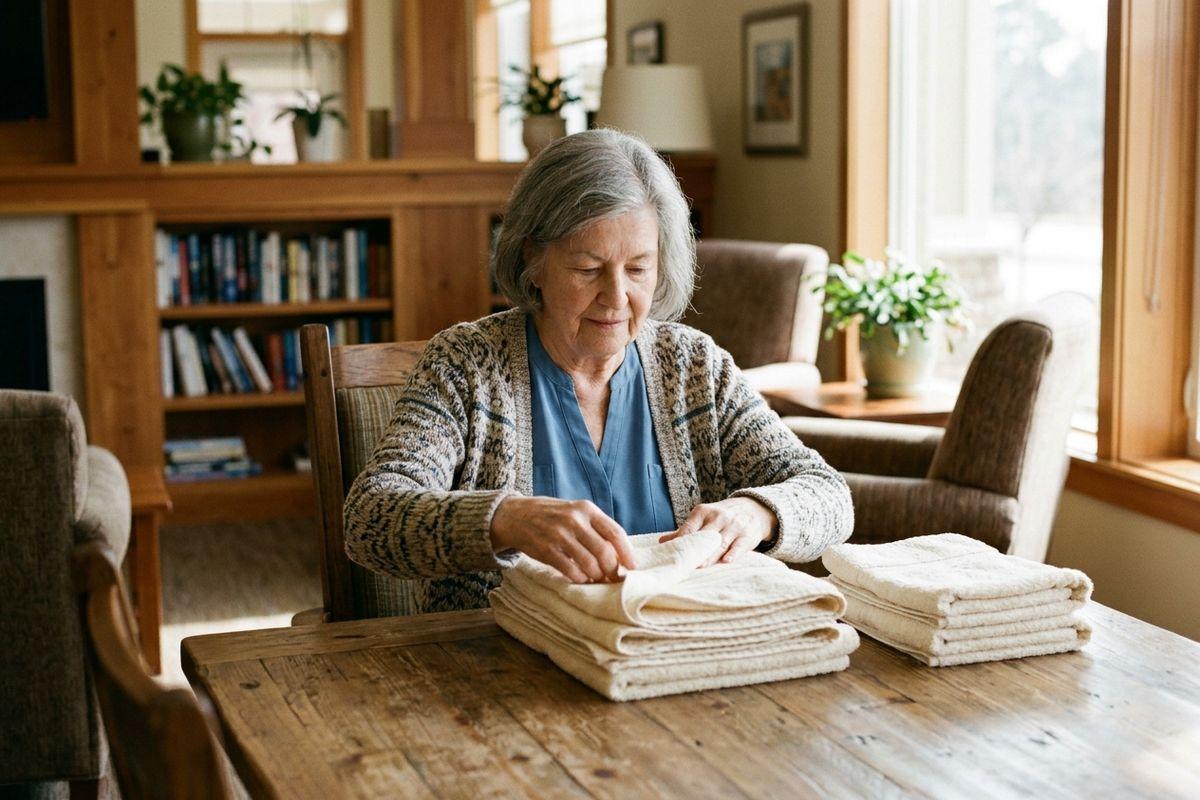
Touch is often the easiest place to start because it asks little of memory. Folding towels, matching socks, and sorting buttons into small dishes offer hands-on purpose. This satisfying rhythm naturally fits alongside other non-pharmacological memory care methods.
Textures work well on their own, too. Try a few of these ideas.
- Texture blankets with panels of corduroy, satin, and fleece
- A fidget box holding zippers, ribbons, keys, and smooth stones
- Chunky wooden puzzles with big pieces that are easy to grip
- A gentle hand massage with a favorite lotion
Sound, Scent, and Taste
Music from someone’s teens and 20s can reach deep into their heart. Build a playlist from those years and keep it handy. Singing and music can support memory recall, mood, and speech. You can also create a soothing atmosphere in the room with birdsong, ocean waves, or soft background sound instead of a television.
Scent and taste bring their own memories along. Fill small jars with cinnamon sticks, coffee grounds, and lemon peel. Then open them one at a time and see which one earns a smile. A warm cup of coffee or a whole grain cookie can turn any moment into a shared snack. This pairs well with the bigger dining experience in memory care communities.
Sight and Nature
A pot of basil on a sunny windowsill gives your loved one something to water, pinch, and smell all week. Flower arranging offers color, scent, and a finished bouquet to proudly display at dinner. In a similar vein, gardening activities add exercise and social time for older adults.
Old photo albums and home movies invite storytelling without pressure. Seeing nature with one’s own eyes can also do a lot for mental health. Bright colors, a garden view, and Colorado sunshine can all inspire positivity. This mirrors the sensory-friendly design found in thoughtful memory care settings.

Games and Group Fun That Work Well in Memory Care
Group time works when the rules stay light and the pieces stay easy to handle. Chunky dominoes, card shuffling, and simple matching games are all great choices. Conversation can drift along with the activities themselves.
Here are a few common group activities.
- Bingo with large-print cards and a slow caller
- Large-piece jigsaw puzzles spread across a table
- Name that tune, played with familiar songs
- Baking together, especially anything cinnamon
- Visits from friendly dogs
Tips to Keep It Enjoyable
Start with what someone already loves. A lifelong gardener and a lifelong card player want very different afternoons. Both deserve theirs. This idea is at the heart of personalized memory care.
Timing matters as much as the activity. Pick the hour when your loved one seems brightest. And keep sessions short enough to end on a high note. Praise the process, skip the corrections. Don’t mind the misplaced puzzle pieces. A puzzle piece laid down is a game well done.
How Families Can Bring Sensory Moments Into Visits
You don’t need a plan or a bag of supplies. Bring one familiar thing. It could be a jar of cinnamon, a wool sweater, or a photo from a family trip. Then let it carry the visit. If you’re weighing how often to visit a parent with dementia, you might want to know that quality tends to matter more than the count.
Sit side by side rather than across the table. And keep hands busy with folding, sorting, or a slow hand massage. That setup allows everyone to take the pressure off eye contact and questions.
Let your loved one lead and follow the conversation wherever it goes. Switch gears cheerfully when needed. And seek support for caregiver stress when you need a breather.
Sensory Life at Juniper Village at Aurora
At Juniper Village at Aurora, Wellspring memory care is built around personal preferences. The day fits the person rather than the schedule. Subtle hints and acts of joy, like music, gardening, and baking, show up inside ordinary days. We also offer wellness programs, educational courses, and outings around east Denver. These all take shape around what each community member actually enjoys.
Come see an afternoon in progress. Schedule a visit to meet our team supporting Aurora and east Denver families. Bring your questions along when you and your loved one are visiting. We’re here to help your loved one find the right support, no matter where they are.